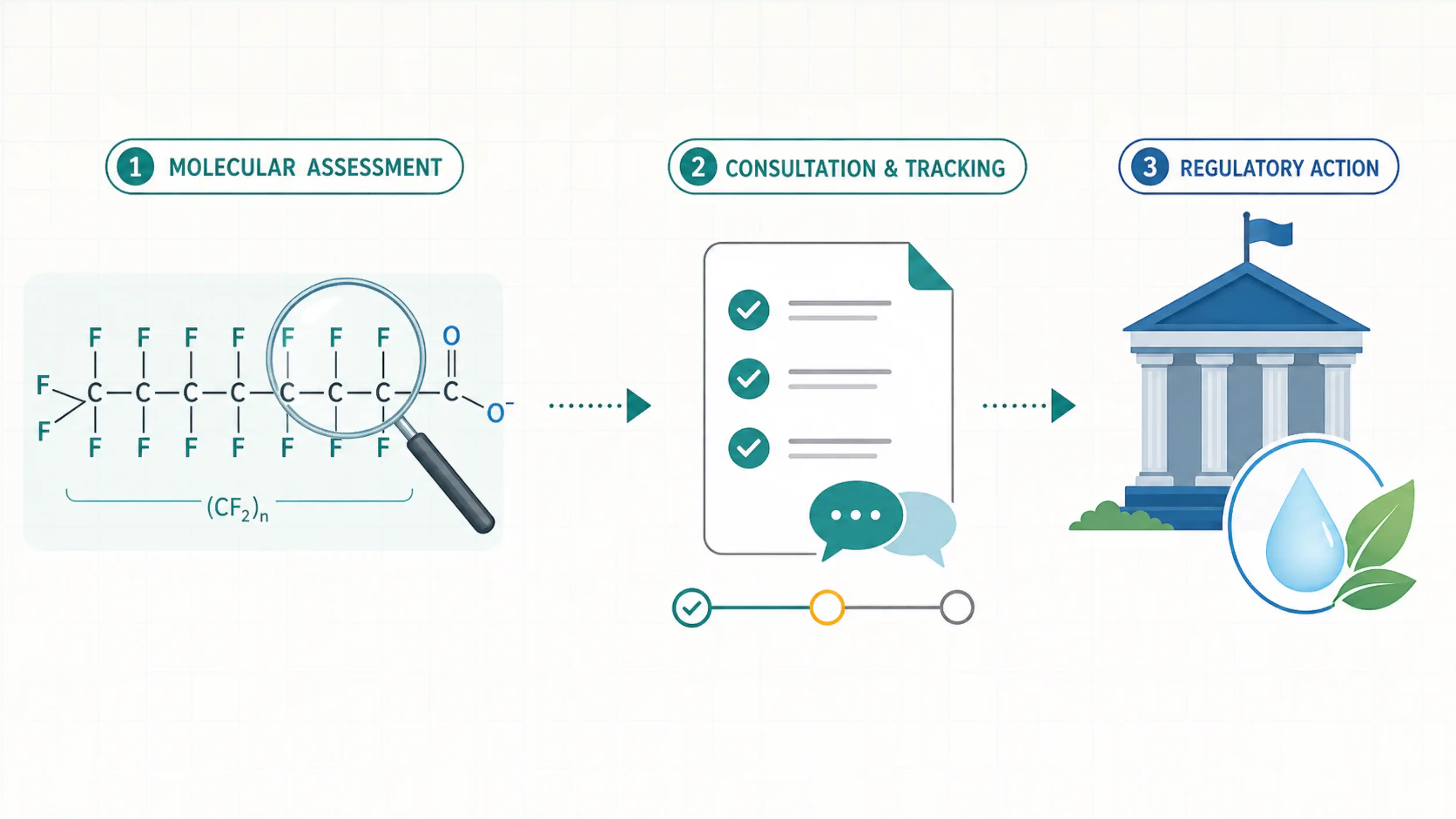
New OECD Test Guidelines highlight the growing need for chemical safety and regulatory expertise
Isabel Cavaco
The OECD has published seven new, five updated and six corrected Test Guidelines for Chemicals, reinforcing the importance of scientifically robust and internationally harmonised chemical assessment.
OECD Test Guidelines are recognised worldwide as standard methods for evaluating the effects and properties of chemicals. They support regulatory decision-making, reduce duplication of testing and help authorities, laboratories and industry generate data that can be accepted across countries.
The 2026 additions reflect several fast-developing areas of chemical safety science. They include:
- In vitro methods addressing metabolism, genotoxicity and endocrine disruption;
- New approaches for assessing the dustiness and environmental solubility of nanomaterials;
- Chronic toxicity testing for bumblebees and earthworms;
- Updated methods for skin sensitisation, phototoxicity and environmental effects.
Explore the new and updated OECD Test Guidelines.
From chemical data to responsible decisions
Producing a test result is only one part of responsible chemicals management. Scientists and regulatory professionals must also understand:
- Which test method is appropriate for a particular substance and regulatory purpose;
- How evidence should be interpreted and combined;
- How hazard data inform risk assessment, classification and regulatory decisions;
- How emerging methods can reduce animal testing while maintaining scientific reliability;
- How chemical innovation can meet safety, sustainability and commercial requirements.
These are precisely the multidisciplinary challenges addressed by the Joint Master in Chemical Innovation and Regulation for Sustainability — ChIRS.
Why study ChIRS?
ChIRS prepares graduates to work at the interface of chemical science, regulation, innovation and sustainability. Its flexible curriculum brings together chemical regulation, toxicology, human and environmental hazard assessment, data management, industrial innovation, green chemistry and the European Safe and Sustainable by Design framework.
Students can shape their study plan according to their background and professional interests while developing the broad perspective required to manage chemicals responsibly.
The two-year, 120 ECTS programme combines:
- An international and interdisciplinary learning environment;
- A flexible first-year curriculum taught by academics and invited industry specialists;
- Scientific, regulatory, industrial and socio-economic perspectives;
- An internship offering experience beyond the classroom;
- A research project and Master’s thesis undertaken with universities, research centres or industry partners.
Developments such as the new OECD Test Guidelines demonstrate why employers increasingly need professionals who can connect scientific evidence with regulatory requirements and sustainable innovation.
ChIRS graduates are prepared for careers in regulatory affairs, chemical risk assessment, product stewardship, toxicology, sustainable product development, research, consulting and public authorities, as well as for doctoral studies in chemical or regulatory science.
For students who want to contribute to safer chemicals, better regulation and more sustainable innovation, ChIRS offers the scientific knowledge, international experience and professional perspective needed to turn evidence into responsible decisions.
Discover the ChIRS curriculum.